
Childrenswear
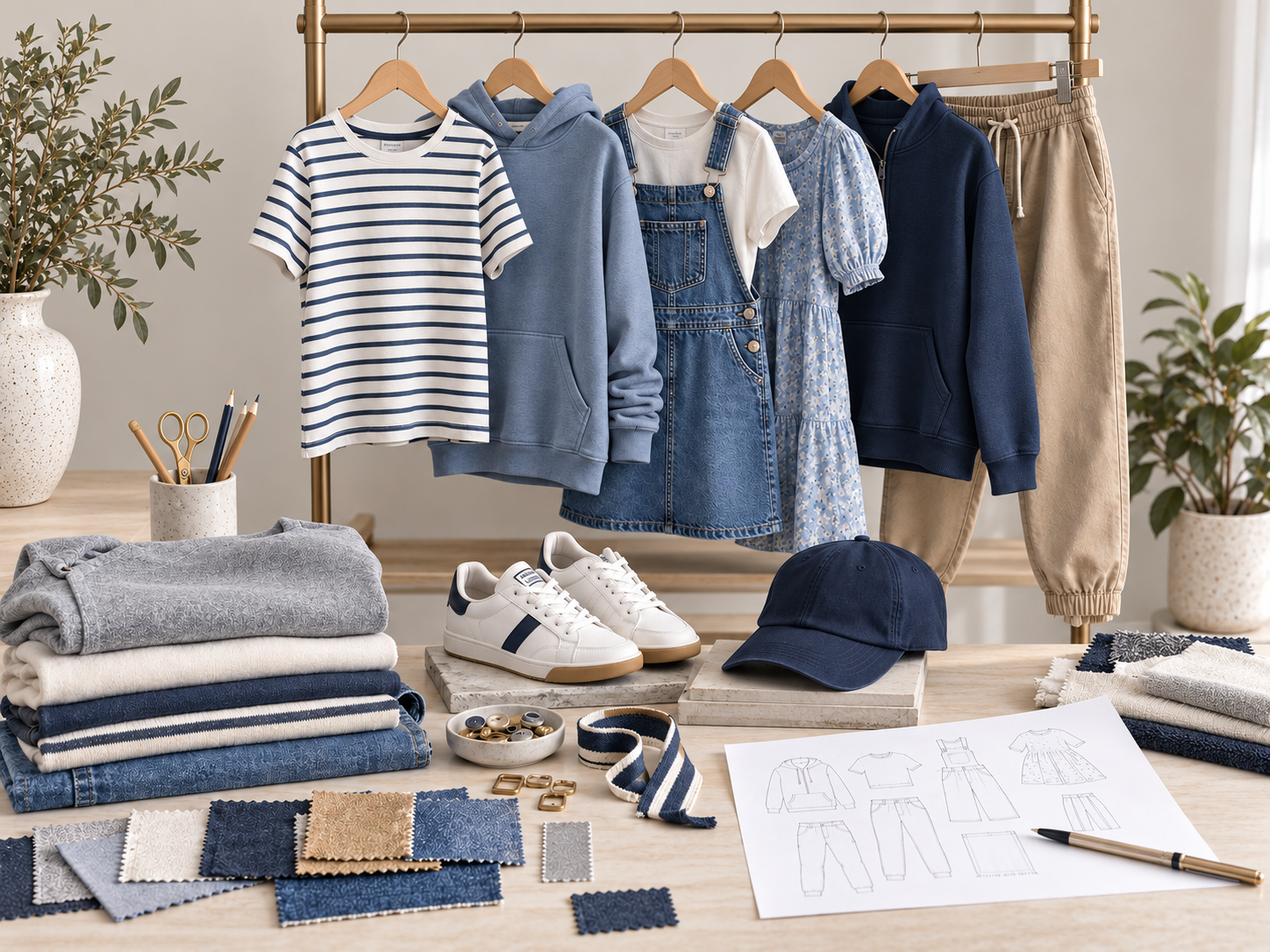
Develop childrenswear with fit, function and real life in mind
Children’s apparel needs to do more than look good on a hanger. It needs to fit growing bodies, allow for movement, feel comfortable, withstand repeated wear and washing, and make sense for the child actually wearing it. Thread & Method helps emerging and growing brands develop thoughtful childrenswear from product strategy and design through technical development, sampling and production preparation. Whether you are building toddler styles, kids’ casualwear, dresses, separates, outerwear or a broader seasonal collection, we help turn ideas into products that are commercially viable and ready to manufacture.
What Makes Childrenswear Development Different?
Children are not simply smaller adults. Body proportions, mobility, fit expectations and product needs change throughout childhood, which means childrenswear requires its own development approach. Depending on the product and age range, development may need to consider:
Age-appropriate fit
Growth and ease
Mobility
Comfort
Durability
Ease of dressing
Fabric hand feel
Washability
Construction
Closures
Trim placement
Size progression
Layering
Function
Styling appropriate to the customer
The details that make a product look appealing also need to work for everyday life. A waistband has to feel comfortable. A neckline has to function. A dress has to allow movement. A garment developed in one sample size also needs to translate appropriately across the full size range.
How Thread & Method Can Help
Our childrenswear development support is tailored to the product, customer and stage of the brand.
Product + Assortment Strategy
Before development begins, we help clarify what should be developed and how the assortment should work together. That may include:
Target age range
Target customer
Product assortment
Lifestyle and intended use
Size range
Price positioning
Competitive landscape
Seasonal needs
Color and print direction
Launch priorities
For emerging brands especially, a focused assortment can help control development costs, production minimums and inventory while still creating a compelling collection.
Childrenswear Design Development
We help translate ideas and inspiration into clear product concepts. Depending on the style, development may include:
Silhouette
Proportion
Neckline
Sleeve shape
Length
Waist construction
Pocket placement
Openings
Closures
Seaming
Layering
Graphics and prints
Functional details
Decorative elements
The goal is to create products that feel true to the brand while remaining practical, comfortable and manufacturable.
Fit + Size Range Development
Fit is one of the most important parts of childrenswear development. Children’s proportions change as they grow, which means sizing cannot always be approached as simple proportional scaling. During development, we may evaluate:
Chest
Waist
Hip
Body length
Sleeve length
Shoulder width
Armhole
Rise
Inseam
Leg opening
Neck opening
Overall ease
Garment proportion
We also consider how fit and styling should progress across the intended size range so the product feels appropriate at both the smaller and larger sizes.
Fabric + Material Direction
Fabric plays a major role in how childrenswear feels, fits and performs. Depending on the product, we may evaluate:
Cotton
Cotton blends
Jersey
Interlock
Rib
French terry
Fleece
Wovens
Denim
Sweater knits
Performance fabrics
Seasonal weights
Considerations may include softness, weight, stretch, recovery, shrinkage, durability, pilling, washability, drape and cost. The right material needs to support both the design and the realities of repeated wear.
Children’s Product Testing + Compliance
Children’s products may be subject to additional safety, testing, labeling and documentation requirements that do not apply to adult apparel. The specific requirements depend on factors such as:
Product type
Age range
Materials and trims
Construction
Intended use
Country or market where the product will be sold
Requirements can vary significantly from one country to another. For example, products sold in the United States may be subject to different children’s product safety, flammability, chemical, labeling and testing requirements than products sold in Canada, the United Kingdom, European Union or other markets. Depending on the product, considerations may include:
Flammability
Lead and other restricted substances
Small parts or detachable components
Drawstrings and cords
Snaps, buttons and other trims
Fabric and surface treatments
Children’s product labeling
Tracking labels
Fiber content and care labeling
Country-of-origin marking
Third-party laboratory testing
Required certificates or documentation
These requirements should be considered during development - not after the product is ready for production. Thread & Method helps brands identify where compliance requirements may affect product design, materials, labeling, testing and manufacturing decisions and works with factories and testing resources to help prepare products for the intended sales market. Brands should confirm final regulatory requirements with the appropriate testing laboratory, compliance specialist or legal resource for each country in which the product will be sold.
Toddler Apparel Development
Toddler products sit at an important stage between babywear and older children’s apparel. Kids are becoming more mobile and independent, and garments often need to support active movement while remaining easy for parents and increasingly children themselves to manage. Development may need to consider:
Ease of dressing
Pull-on construction
Elastic waistbands
Neck openings
Mobility
Layering
Comfortable closures
Growth
Durable fabrics
Practical pocket placement
The product should work for real everyday routines, not just look good in imagery.
Kids’ Casual + Lifestyle Apparel
As children grow, styling and personal preference become increasingly important. Collections may include:
Tees
Sweatshirts
Hoodies
Shorts
Joggers
Pants
Dresses
Skirts
Woven tops
Jackets
Casual sets
Seasonal layers
These products still require careful attention to comfort and function while becoming more fashion-conscious. Proportion, fit, color, graphics and details all contribute to whether the product feels current and relevant to the intended customer.
Dresses + Fashion Styles
Children’s dresses and fashion-driven pieces may require careful balance between styling and wearability. Development may consider:
Bodice proportion
Waist placement
Skirt volume
Sweep
Length
Sleeve shape
Lining
Closures
Elastic
Ruffles
Gathering
Layering
Ease of movement
The goal is for the styling to feel special without compromising comfort or practicality.
Tech Packs for Childrenswear
Clear technical documentation helps factories understand exactly how the product should be made. Depending on the style, a childrenswear tech pack may include:
Technical sketches
Measurement
Construction details
Stitching
Fabric information
Trims
Closures
Artwork
Print placement
Labels
Colorways
Packaging direction
Children’s styles may also require careful documentation of small construction details that can affect fit, comfort and consistency.
Sample Review + Fit Development
Sampling is where design, fit, fabric and construction come together. During sample review, we may evaluate:
Overall fit
Proportion
Length
Ease
Mobility
Construction
Fabric behavior
Trim placement
Closures
Comfort
Styling details
Overall execution
A garment may look correct in a technical drawing but still need significant adjustment once it is physically sampled. Clear sample comments and thoughtful fit review help move the product toward approval.
Childrenswear Sourcing + Manufacturer Guidance
Not every factory is equally suited to children’s apparel. Relevant experience may include:
Children’s sizing
Knit and woven construction
Small garment handling
Elastic applications
Print and artwork execution
Trim sourcing
Quality control
Development across multiple sizes
We help brands evaluate whether potential manufacturing partners are appropriate for the product, expected quality, quantities and development needs.
Production Planning for Emerging Children’s Brands
Children’s assortments can become complicated quickly. Every additional:
Style
Color
Print
Fabric
Size
Seasonal option
can increase development work and inventory exposure. We help founders think strategically about assortment size, shared materials, colorways, size ranges, minimum order quantities and launch timing. A thoughtful assortment does not need to be large to feel complete.
Common Childrenswear Development Mistakes
Brands often run into problems when they:
Treat children’s fit like scaled-down adult fit
Develop too many styles at once
Ignore size progression
Select fabric based only on appearance
Underestimate shrinkage or wash performance
Use trims or closures that are impractical
Skip fit review
Assume one sample size represents the entire range
Overcomplicate colors and prints
Choose factories without relevant childrenswear experience
Rush sampling to meet an unrealistic launch date
Assume the same testing, labeling and compliance requirements apply in every country
Many of these issues are much easier and less expensive to address before production begins.
Who We Work With
Thread & Method can support brands developing:
Toddler apparel
Children’s apparel
Kids’ casualwear
Dresses and fashion styles
Tees and knit tops
Sweatshirts and hoodies
Shorts and pants
Matching sets
Denim
Outerwear
Active and lifestyle products
Seasonal collections
We can support a single hero product, a focused capsule or a broader assortment.
Why Thread & Method?
Childrenswear is one of Thread & Method’s deepest areas of experience. Our team brings decades of experience across children’s apparel design, product development, merchandising, sourcing and production, including work with major national retailers and brands. We understand that successful childrenswear requires the right balance of creativity, fit, function, quality, manufacturability and commercial strategy. That means we consider not only what a product should look like, but how it will fit, how it will be worn, how it will perform in real life and how it fits into the broader assortment.
Ready to Develop Your Childrenswear Collection?
If you are developing toddler or children’s apparel and need experienced product-development support, Thread & Method can help.
Book a complimentary discovery call to discuss your product, development stage and goals