
Bags
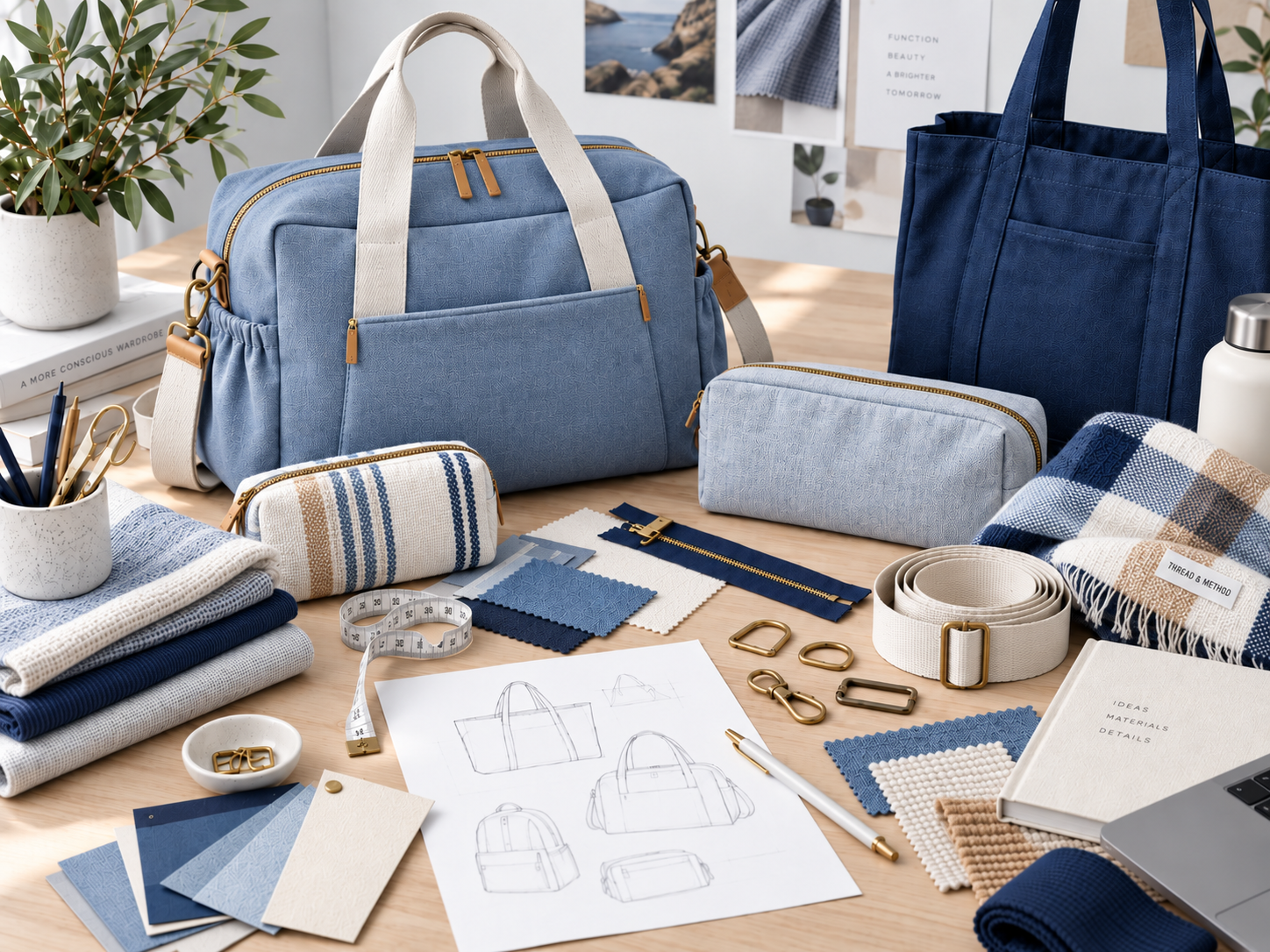
Develop bags that balance function, construction and brand identity
Bags are more than accessories. They are functional products that need to perform in real life while still delivering the right aesthetic, quality and customer experience. Thread & Method helps emerging and growing brands develop bags from product strategy and design through technical development, sourcing, sampling and production preparation. Whether you are developing a handbag, diaper bag, travel bag, tote, backpack or modular organization system, we help turn the concept into a product that is thoughtful, functional and manufacturable.
What Makes Bag Development Different?
Bag development combines fashion, soft-goods construction and functional product design. Depending on the product, development may need to consider:
• Capacity
• Weight
• Structure
• Material durability
• Carry methods
• Strap placement
• Handle length
• Pocket organization
• Closures
• Hardware
• Reinforcement
• Lining
• Padding
• Stability
• Ease of access
• Overall usability
A bag can look beautiful and still fail if the internal organization, weight, straps or construction do not work well in everyday use.
How Thread & Method Can Help
Our bag development support is tailored to the product, target customer and stage of the brand.
Product Strategy
Before development begins, we help clarify what the product actually needs to accomplish. That may include:
• Target customer
• Intended use
• Product category
• Capacity
• Key features
• Carry methods
• Price positioning
• Competitive landscape
• Material direction
• Accessory or component strategy
• Launch priorities
Defining the core function early helps prevent the product from becoming overly complicated or unnecessarily expensive.
Bag Design Development
We help translate ideas and inspiration into clear, manufacturable product concepts. Depending on the product, development may include:
• Overall silhouette
• Dimensions
• Pocket layout
• Interior organization
• Opening configuration
• Strap design
• Handles
• Exterior features
• Closures
• Hardware placement
• Removable components
• Branding placement
• Functional details
The goal is to create a product that feels intentional, useful and consistent with the brand.
Handbags + Everyday Bags
Handbags need to balance aesthetics, proportion and practical use. Development may involve:
• Shape and structure
• Handle drop
• Shoulder straps
• Crossbody straps
• Closure systems
• Interior pockets
• Exterior pockets
• Lining
• Hardware
• Reinforcement
• Weight
• Capacity
A handbag should feel polished while still functioning naturally in everyday use.
Diaper Bags
Diaper bags have more complex functional requirements than many other bag categories. Development may need to consider:
• Bottle storage
• Diaper organization
• Wipes access
• Changing accessories
• Insulated compartments
• Wet-item storage
• Stroller attachment
• Backpack straps
• Shoulder or crossbody carry
• Luggage sleeves
• Removable pouches
• Personal-item storage
The goal is to build useful functionality into the product without making the bag overly bulky, heavy or complicated.
Travel Bags + Weekenders
Travel products need to balance capacity, organization and ease of movement. Development may include:
• Overall volume
• Carry-on considerations
• Weight
• Shoe compartments
• Laundry storage
• Laptop protection
• Exterior access
• Luggage sleeves
• Backpack conversion
• Shoulder straps
• Handles
• Internal dividers
• Security features
Travel bags should be evaluated around how customers actually pack, carry and use them.
Totes + Backpacks
Totes and backpacks may look straightforward but still require thoughtful development. Considerations may include:
• Opening size
• Base construction
• Shoulder comfort
• Strap width
• Strap adjustability
• Weight distribution
• Pocket placement
• Interior organization
• Laptop compartments
• Reinforcement
• Closure systems
• Lining
• Capacity
Small construction details can dramatically affect usability.
Modular + Removable Components
Many bags include removable or interchangeable elements. Depending on the product, development may involve:
• Pouches
• Organizers
• Dividers
• Bottle holders
• Wet bags
• Laptop sleeves
• Changing pads
• Cosmetic pouches
• Accessory straps
• Stroller straps
• Removable crossbody straps
Modularity can add value, but it can also add cost and complexity. We help brands determine which features are truly meaningful to the customer.
Materials + Hardware Direction
Material and hardware choices have a major impact on the look, weight, durability and cost of a bag. Depending on the product, development may involve:
• Woven fabrics
• Canvas
• Nylon
• Polyester
• Coated fabrics
• Leather
• Leather alternatives
• Mesh
• Foam
• Interlining
• Webbing
• Zippers
• Snaps
• Buckles
• D-rings
• Swivel hooks
• Magnets
• Metal feet
• Custom logo hardware
Each component should support both the intended aesthetic and the functional demands of the product.
Tech Packs for Bags
Clear technical documentation is essential for communicating a bag to a manufacturer. Depending on the product, a tech pack may include:
• Overall dimensions
• Technical sketches
• Pocket dimensions
• Strap specifications
• Handle placement
• Hardware
• Zippers
• Materials
• Lining
• Reinforcement
• Stitching
• Artwork or logos
• Colorways
• Packaging direction
More complex products may also require internal diagrams, sectional views or additional construction callouts.
Bag Sample Review + Development
The first prototype often reveals functional issues that are difficult to identify on paper. During sample review, we may evaluate:
• Proportion
• Capacity
• Pocket placement
• Ease of access
• Strap comfort
• Weight
• Stability
• Hardware
• Zipper function
• Construction quality
• Material performance
• Interior organization
• Overall usability
Real-world testing is especially important for bags because the product needs to perform under actual load and use.
Bag Sourcing + Manufacturer Guidance
Not every factory is equally suited to every type of bag. A handbag manufacturer may have very different capabilities from a luggage or soft-goods factory. We help brands evaluate potential manufacturing partners based on:
• Product category experience
• Construction capability
• Material sourcing
• Hardware sourcing
• Custom component capability
• Minimum order quantities
• Sampling support
• Quality
• Communication
• Testing coordination
• Production capacity
The right factory should match the complexity, construction and scale of the product.
Cost + Complexity
Bag costs can increase quickly as features are added. Cost may be affected by:
• Number of pockets
• Zippers
• Hardware
• Custom molds
• Reinforcement
• Lining
• Padding
• Removable components
• Material choice
• Custom colors
• Packaging
We help brands evaluate which features add meaningful customer value and which may create unnecessary cost or complexity.
Testing + Compliance
Depending on the product, materials and intended market, bags may also require testing or documentation. Considerations may include:
• Restricted substances
• Lead and heavy metals
• Hardware testing
• Colorfastness
• Abrasion resistance
• Seam strength
• Strap strength
• Zipper performance
• Material durability
• Country-of-origin marking
• Care or content labeling
• Children’s product requirements where applicable
• Third-party testing
• Required certificates or documentation
Requirements can vary depending on the product and country where it will be sold, so testing should be considered during development rather than after production has begun.
Common Bag Development Mistakes
Brands often run into problems when they:
• Add too many features
• Ignore product weight
• Underestimate hardware costs
• Create pockets that are difficult to access
• Use straps that are uncomfortable when loaded
• Select materials based only on appearance
• Underestimate reinforcement needs
• Skip real-world use testing
• Add removable components without considering cost
• Choose factories without relevant bag experience
• Approve samples before testing capacity and function
These issues are much easier to address during development than after production begins.
Who We Work With
Thread & Method can support brands developing:
• Handbags
• Diaper bags
• Travel bags
• Weekenders
• Totes
• Backpacks
• Crossbody bags
• Organizers
• Pouches
• Modular bag systems
• Laptop and work bags
• Soft travel products
We can support a single hero product, a coordinated bag collection or a broader soft-goods assortment.
Why Thread & Method?
Our team brings experience across apparel, accessories, soft goods, product development, sourcing and production. We approach bag development from both a design and product-strategy perspective. That means we consider not only how the product should look, but how it should function, how customers will use it, how it will be manufactured and whether the complexity makes sense commercially.
Ready to Develop Your Bag Collection?
If you are developing a handbag, diaper bag, travel bag, tote, backpack or other soft-goods product and need experienced product-development support, Thread & Method can help.
Book a complimentary discovery call to discuss your product, development stage and goals.